Sleep Apnea Treatment
Everything you need to know about sleep apnea treatment
Home » ENT-Surgery » Sleep Apnea Treatment
Conditions Treated
- Sept Deviation
- Nasal Obstruction
- Benign and Malignant Nodules and Tumors
- Obstructive Sleep Apnea
Medical Procedures
ENT Surgery
Rhinosinus Surgery
- Radiofrequency Turbinoplasty
- Functional and Aesthetic Reconstruction

Sleep apnea is a common respiratory disorder characterized by repeated pauses in breathing during sleep, each pause lasting at least 10 seconds.
Although often ignored, this disorder profoundly affects quality of life and can lead to serious medical consequences, ranging from daytime sleepiness to cardiovascular complications.
Book an Appointment
What causes sleep apnea?
Among the mechanisms involved in sleep apnea are:
- Anatomical factors, such as collapse of the upper airway during sleep;
- Neurogenic dysfunctions, involving increased sensitivity of the receptors responsible for regulating breathing.
The condition mainly affects middle-aged or elderly men, especially smokers and patients with high blood pressure. Many of them are unaware that they have a medical problem, attributing their fatigue or sleep disorders to other causes.
When should we go to the doctor?
Patients often visit their doctor after noticing:
- Excessive sleepiness during the day;
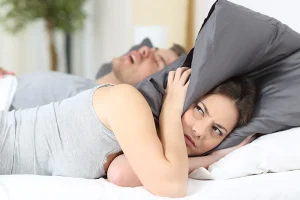
- Episodes of interrupted breathing during sleep, observed by your partner;
- Headaches upon waking;
- Mouth breathing at night;
- Unexplained weight gain;
- Irritability, insomnia, depression;
- Decreased libido and sexual dysfunction.
How do we diagnose sleep apnea?
For an accurate and comprehensive diagnosis, VenArt uses:
- Flexible endoscopy, which allows for the evaluation of nasal, pharyngeal, and laryngeal structures, highlighting possible anatomical causes of obstruction;
- Polysomnography, a complex investigation that records respiratory, neurological, and cardiovascular parameters during sleep, which is essential in determining the severity of the syndrome.
Types of treatment available at the VenArt Clinic
The treatment of sleep apnea is individualized according to the severity of the syndrome, the causes involved, and the patient’s particularities. Our approach includes both conservative methods and minimally invasive surgical interventions, supported by modern technology and international medical quality standards.
Conservative treatment
In mild cases, the following is recommended:
- Weight loss: even a 10% reduction in weight can decrease the frequency of apnea episodes;
- Avoiding alcohol and sedatives: these excessively relax the airway muscles and can aggravate symptoms;
- Changing sleeping position: sleeping on one’s side is often effective in reducing apnea;
- Treatment of associated ENT conditions: chronic rhinitis, sinusitis, and septal deviations can be corrected to improve respiratory flow.
Mechanical therapy – continuous positive airway pressure
It is the standard treatment for moderate and severe forms:
- CPAP, AutoCPAP, and BiPAP – devices that deliver positive pressure air, keeping the airways open during sleep;
- The choice of device, pressure, and mask is determined by a specialist physician following titration and individual assessment;
- Additional options include humidifiers, pressure ramps, and masks adapted to the patient’s anatomy;
- It is important that the device be used for at least 5 hours/night and monitored periodically.
At VenArt, we not only prescribe devices, but also provide patient training, monitor results, and continuously adapt treatment.
Oral devices – mandibular advancement
For patients with mild or moderate forms and oropharyngeal collapse, the following may be used:
- Special dental mouthpieces that gently advance the jaw and prevent airway obstruction;
- They are custom-made and their effectiveness has been clinically validated, especially in patients with retrognathism.
Surgical treatment of apnea
For cases where CPAP therapy is ineffective or intolerable, the VenArt clinic offers minimally invasive ENT procedures performed by surgeons with experience in sleep medicine:
- Septoplasty – correction of nasal septum deviation;
- Reduction of nasal turbinates – using modern radiofrequency techniques;
- Tonsillectomy and uvulopalatopharyngoplasty (UPPP) – reduction of redundant tissue obstructing the pharynx;
- Adenoid ablation – in patients with cavum-type obstructions;
- Mandibular surgery – in severe cases of retrognathism.
All these procedures are performed safely with rapid recovery, under minimal hospitalization, using state-of-the-art equipment and monitored anesthesia.
Other available solutions
- Positional therapy – special pillows or devices that prevent sleeping on your back;
- Implantable hypoglossal nerve stimulators – advanced technology for selected cases (in collaboration with international centers);
- Personalized lifestyle recommendations – nutritional counseling, sleep education, and avoidance of aggravating factors (alcohol, tobacco, sedatives).
Why treat sleep apnea?
If left untreated, sleep apnea can have severe effects:
- Increased risk of car accidents (due to drowsiness);
- Nocturnal cardiorespiratory arrest;
- Hypertension, heart attack, arrhythmias;
- Insulin resistance, weight gain;
- Gastroesophageal or laryngopharyngeal reflux.
Choose VenArt for complete sleep apnea treatment
- Precision diagnosis;
- Personalized therapy for each patient;
- Doctors specializing in sleep and ENT surgery;
- Advanced technology, modern equipment, patient-centered care.
Medical Team
Frequently Asked Questions
Is CPAP therapy painful? Will I get used to it?
It is not painful, but it does require a period of adjustment. The device introduces pressurized air through a mask, and at VenArt we offer detailed training and personalized adjustments (pressure, mask, humidification) to increase comfort and adherence to treatment.
What happens if I don't treat sleep apnea?
The risks are serious: high blood pressure, heart attack, stroke, chronic fatigue, car accidents, reflux, insulin resistance, and cognitive impairment. Available treatments can prevent these complications.
Are there alternatives if I cannot tolerate CPAP?
Yes. Depending on the case, doctors may recommend:
- Customized dental mouthguards;
- Positional therapy;
- Minimally invasive ENT surgery;
- Hypoglossal nerve stimulator (in selected cases).
Can sleep apnea be treated?
In many cases, yes. Through corrective surgery or significant weight loss, some patients can completely stop therapy. In other cases, treatment is long-term, but with excellent results in controlling symptoms.
How long does the surgical treatment and recovery take?
Most ENT procedures are minimally invasive, requiring a hospital stay of 1-2 days and allowing patients to resume their normal activities within a short period of time (3-7 days), depending on the procedure.