Angiology
Diagnosis and treatment for blood vessel health.
Contents
Conditions Treated
Arterial diseases
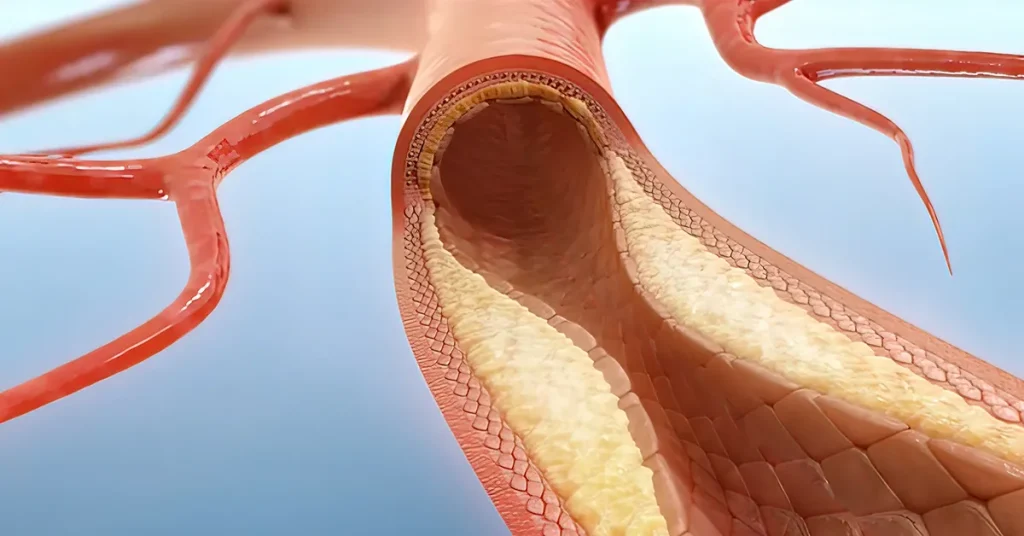
- Atherosclerosis
- Thrombosis
Venous Diseases
Medical Procedures
Vascular Surgery
Endovascular Techniques
Make an appointment with an angiologist
We help you find out what’s happening with your blood circulation. At the angiology consultation, we perform a careful evaluation and Doppler ultrasound, so you receive a clear diagnosis, in Cluj-Napoca and Bucharest.
When is it good to go for an angiological consultation?
If you are experiencing discomfort in your legs, don’t ignore it. An angiologist deals with blood circulation problems and determines the cause. It is worth making an appointment if you notice:
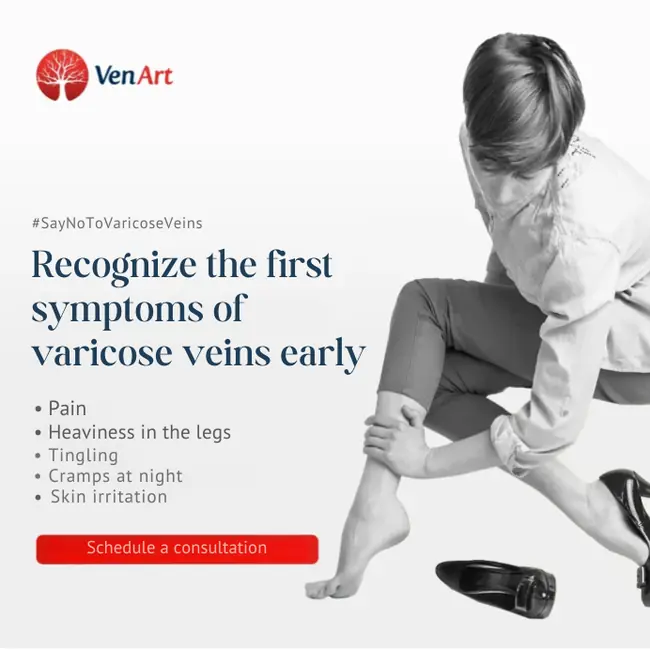
- swollen legs or a feeling of heaviness in the calves;
- pain when walking that goes away when you rest;
- swollen, dilated or varicose veins that bother you;
- a wound on your leg that does not heal;
- numbness, tingling or skin that changes color;
- cases of vascular disease or thrombosis in the family.
After the consultation, the doctor clearly tells you whether you need treatment for vascular diseases and, if necessary, carefully guides you to our vascular surgery team.
How much does an angiology consultation cost
A consultation with an angiologist, including a Doppler ultrasound, starts at 500 Ron. The final price depends on how detailed the evaluation needs to be. You can find all prices on our pricing page.
You can find us in Cluj-Napoca and Bucharest
We are waiting for you for an angiology consultation in Cluj-Napoca. In Bucharest, the evaluations are done in collaboration with partner clinics. Wherever you come, you have the same team and the same care in establishing the diagnosis.
Over 65,000 treated patients have resumed their lives without the discomfort caused by vascular diseases. You too can be confident that you are in good hands.
We have collaborations with private insurers. See how you can pay for the consultation on the Insurance page.
Frequently Asked Questions
How do I make an appointment with an angiologist?
Simple: call us at +44 20 4577 05000 or fill out the form on the contact page. We will quickly confirm the day and time that suits you.
How much does the consultation cost and what does it include?
The angiology consultation starts at 500 Ron and includes a discussion with the doctor and Doppler ultrasound, when needed for diagnosis.
Does Doppler ultrasound hurt?
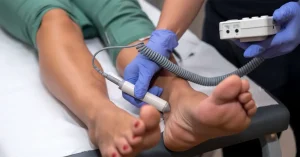
No. It is a gentle, non-invasive, and painless investigation that shows how blood circulates through the arteries and veins and helps with an accurate diagnosis.
Can I pay for the consultation through insurance?
Yes, we have collaborations with private insurers. Tell us what insurance you have and we will explain how the settlement is done. See details on the Insurance page.
Consultations Dr. Cătălina Riebel, Cluj-Napoca
Book an Appointment
Angiology is the medical specialty dedicated to the diagnosis, treatment, prevention and rehabilitation of diseases of the peripheral vessels, including both arteries and veins. This branch of medicine is essential for maintaining optimal blood circulation and preventing vascular complications.
At VenArt Clinic, our doctors offer you a comprehensive and accurate diagnosis of peripheral vascular disorders. This is achieved through:
- Doppler ultrasound;
- Phlebography;
- Arteriography.
Depending on the diagnosis or the severity of the vascular disease, our doctors can offer you a drug solution to improve your health or, if necessary, minimally invasive vascular, venous or arterial treatments.
Peripheral Vascular Disease is a term that is meant to represent all pathologies caused by obstruction of various blood vessels. Once a major blood vessel is blocked, it can cause various symptoms, which at first are manageable, but can worsen over time.
Contents
Conditions Treated
At VenArt Clinic, we treat a wide range of vascular conditions, including:
Arterial Diseases
- Peripheral Arterial Disease;
- Atherosclerosis;
- Thrombosis;
- Arterial Aneurysms;
- Thoracic and Abdominal Aortic Aneurysm;
- Carotid Obstructions.
Venous diseases
- Peripheral Venous Insufficiency;
- Venous or Varicose Disease (internal and external varicose veins);
- Venous Thrombosis;
- Thrombophletitis.
Lymphatic diseases
Lymphatic diseases occur when the lymph and lymphatic system fail to properly drain fluid from the tissues, leading to chronic swelling of the legs or arms (lymphedema) and discomfort when walking or standing. In angiology, the emphasis is on correctly diagnosing these edemas and differentiating them from edemas of venous, cardiac or renal origin.
- Lymphedema (lymphatic edema) of the lower limbs, with a feeling of tension, “tight skin” and heaviness in the legs.
- Veno-lymphatic edema in patients with chronic venous insufficiency or varicose veins, where the veins and the lymphatic system are affected at the same time.
- Persistent swelling of the ankles and calves, which does not completely resolve with rest and requires angiological evaluation to exclude other causes.
During the angiology consultation, the doctor determines whether the edema is predominantly venous, lymphatic or mixed and decides whether drug and compression treatment is sufficient or whether surgical evaluation is also needed. You can learn more about the role of lymph and the lymphatic system in the occurrence of edema on the page: Lymph and the lymphatic system: what they are and how they work.
Medical Procedures Available
Minimally Invasive Treatments
- Balloon angioplasty: widening blocked vessels using a special balloon;
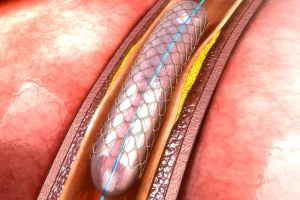
- Stenting: Placement of stents to keep arteries or veins open;
- Stent-grafting: Repairing aneurysms or other complex arterial conditions;
- Sclerotherapy: Treatment of varicose veins by injections of sclerosing solutions.
Venous diseases
- Surgical revascularization to restore blood flow;
- Corrections for severe venous disease by open methods.
Advantages of Minimally Invasive Treatments
- Short recovery time;
- Low risk of infection or complications;
- Minimal or no scarring;
- Procedures customized to the condition;
- Quick return to daily activities.
Advanced Technologies and Precision Diagnostics
For a complete and accurate diagnosis, at VenArt Clinic we use advanced technologies such as:
- Doppler ultrasound: Assess blood flow and identify blockages or venous reflux;
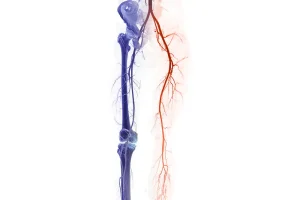
- Phlebography: precise visualization of veins to detect varicose veins or thrombosis;
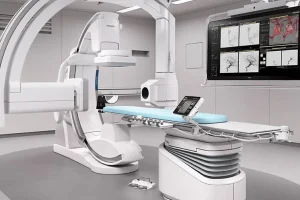
- Arteriography: Exploration of arteries to identify blockages or aneurysms.
These investigations are the basis of a complete angiology consultation: they help not only to detect arterial and venous blockages, but also to identify associated edema, allowing the differentiation between venous pathology and lymphatic diseases.
For patients with swollen legs or unexplained edema, these tests are the first step in correctly diagnosing the causes: venous, lymphatic or combined. More details about the role of lymph can be found here: Lymph and the lymphatic system: what they are and how they work.
These diagnostic standards are supported by international guidelines: the 2022 Society for Vascular Surgery guideline on duplex scanning and superficial venous reflux, published in the Journal of Vascular Surgery, and the 2024 ACC/AHA guideline for peripheral arterial disease of the lower extremities, indexed on PubMed.
Recommendations for Blood Vessel Health
To prevent and manage vascular disease, our doctors recommend:
- Adopting a healthy lifestyle: regular exercise, balanced diet and quit smoking;
- Regular monitoring of blood vessel health through preventive check-ups;
- Apply recommended treatments promptly to prevent complications.
Why is so special VenArt Clinic?
- Expert team: Our doctors are specialized in internationally renowned clinics and have extensive experience in treating vascular diseases;
- Modern technology: We use state-of-the-art equipment for accurate diagnosis and treatment;
- Personalized approach: Therapeutic solutions are tailored to each patient’s needs;
- Minimally invasive procedures: We ensure patient comfort and rapid recovery.
Our Medical Team
Frequently Asked Questions
What does Angiology do?
Angiology is the branch of medicine that deals with the diagnosis and treatment of disorders of the vascular system, including blood vessels (arteries, veins) and lymphatic vessels.
What problems does an angiologist treat?
An angiologist treats conditions such as:
- Varicose veins;
- Deep vein thrombosis;
- Chronic venous insufficiency
Peripheral arteriopathy; - Aneurysm;
- Peripheral arterial disease;
- Lymphedema.
What is a Doppler ultrasound and why is it needed?
Doppler ultrasound is a non-invasive imaging investigation that uses ultrasound to assess blood flow through veins and arteries. It is needed to diagnose conditions such as:
- Deep vein thrombosis;
- Venous insufficiency;
- Arterial stenosis.
What is deep vein thrombosis (DVT) and how serious is it?
DVT is a condition in which blood clots form in a deep vein, usually in the legs. It is serious because the clot can migrate to the lungs, causing a life-threatening pulmonary embolism.
How often should I see an angiologist?
You should consult an angiologist if:
- You have symptoms of a vascular disease;
- You have risk factors such as diabetes, smoking, obesity or family history;
- For routine check-ups at least once a year.