Angioplasty
Minimally invasive treatment for blocked or narrowed arteries
Medical Procedures
Vascular Techniques
Endovascular Techniques
Conditions Treated
Angioplasty is a minimally invasive procedure used to open blocked or narrowed arteries, improving blood flow and preventing complications such as heart attacks. No traditional surgery, no scars, and a quick recovery.
At the VenArt clinic in Cluj-Napoca and Bucharest, angioplasty is performed by a team of doctors specializing in vascular and endovascular surgery, using state-of-the-art equipment, to provide you with safe and effective treatment.
Book an Appointment
What is angioplasty?
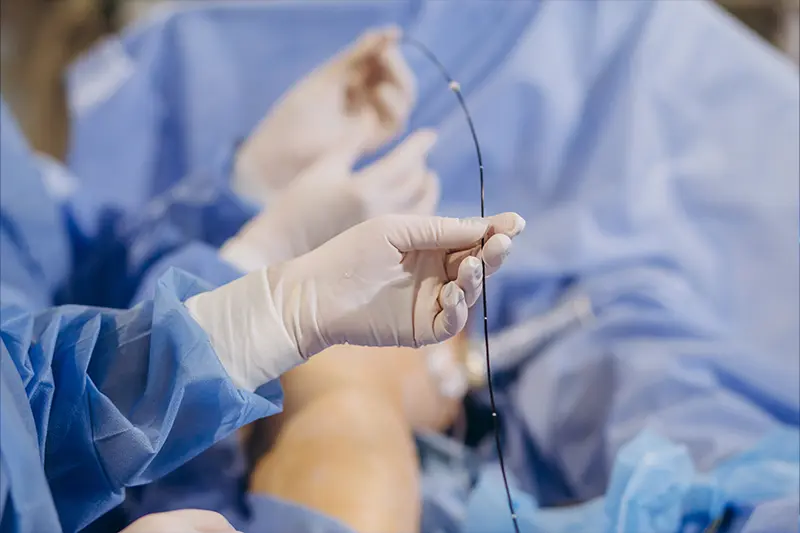
Angioplasty is a procedure performed using a thin catheter inserted through a small puncture in the femoral artery (groin area). It does not require a large incision and, in most cases, does not require general anesthesia.
What is the basis of the procedure?
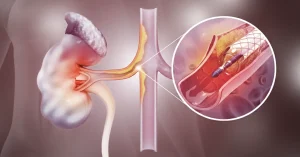
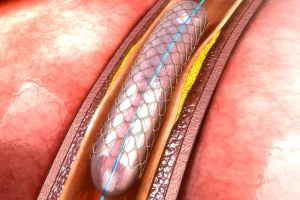
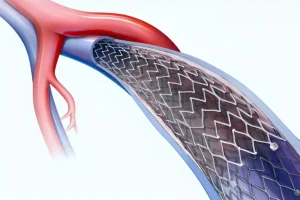
The doctor guides the catheter through the blood vessels, using real-time imaging, to the narrowed or blocked area. Once at the affected site, a small balloon is inflated to widen the artery. If necessary, a stent—a small metal device that keeps the artery permanently open—is placed.
What conditions does angioplasty treat?
Angioplasty treats narrowing or blockages in the arteries caused by:
- Atherosclerosis (fat deposits on the artery walls);
- Blood clots;
- Restenosis following a previous procedure;
- Arterial aneurysms (weak spots in the artery wall).
Who is angioplasty intended for?
Angioplasty is recommended for patients with diseased arteries who cannot or should not undergo conventional surgery. It is the preferred treatment when:
- The stenosis is significant and causing symptoms;
- The patient is at high surgical risk (advanced age, comorbidities);
- The anatomy of the condition allows for an endovascular approach;
- The patient desires a rapid recovery and a minimal hospital stay.
Types of angioplasty available at VenArt Clinic
At VenArt Clinic, we treat arterial conditions in various parts of the body. Each type of angioplasty has its own specific characteristics, but the minimally invasive approach remains the same. Below you will find a list of all the types of angioplasty we perform.
Arterial Angioplasty with Endovascular Stent Graft:
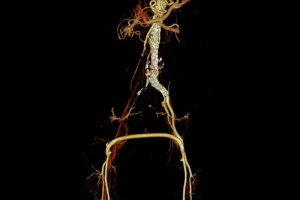
Endovascular stent grafts are used to treat arterial aneurysms: weakened areas of the artery wall that can grow and rupture. They offer a minimally invasive alternative to open aneurysm surgery.
Learn more about Arterial angioplasty with endovascular stent graft.
Carotid Angioplasty vs. Carotid Endarterectomy:
Carotid stenosis can also be treated with traditional surgery, specifically carotid endarterectomy. Your doctor will determine which method is best for you, based on the severity of the stenosis and your overall health.
Read about carotid surgery (carotid endarterectomy and stenting).
Angioplasty and Stenting of the Renal Arteries:
The renal artery supplies blood to the kidneys. Stenosis of this artery causes difficult-to-control high blood pressure and impairs kidney function. Renal angioplasty with stenting resolves the problem through a minimally invasive approach.
See details about Angioplasty and stenting of the renal arteries.
Subclavian Artery Angioplasty:
The subclavian arteries supply blood to the arms and part of the brain. Narrowing of these arteries can cause pain, weakness in the arm, or dizziness. Stent angioplasty quickly and effectively restores blood flow.
Mesenteric Artery Angioplasty:
The mesenteric arteries supply blood to the intestines. Blockage of these arteries causes severe abdominal pain after eating and, if left untreated, can lead to severe intestinal ischemia. Mesenteric angioplasty treats the condition without open surgery.
Carotid Angioplasty:
The carotid artery supplies blood to the brain. When it narrows, the risk of stroke increases. Carotid angioplasty with stenting reopens the artery and prevents stroke without the need for neck surgery.
May-Thurner Syndrome: Venous Stenting
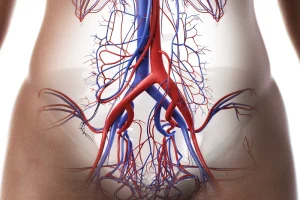
May-Thurner syndrome occurs when the right iliac artery compresses the left iliac vein, blocking blood flow from the leg. This compression causes swelling of the left leg, pain, and an increased risk of deep vein thrombosis. Minimally invasive treatment involves stenting the affected vein without open surgery.
Nutcracker Syndrome: Renal Venous Stenting
Nutcracker syndrome occurs when the left renal vein is compressed between the aorta and the superior mesenteric artery. It can cause pain in the left flank, blood in the urine, or pelvic pain. Endovascular renal vein stenting is the modern treatment that resolves the compression without traditional surgery.
Post-Thrombotic Syndrome: Endovascular Treatment
Post-thrombotic syndrome occurs after deep vein thrombosis and manifests as chronic pain, leg swelling, a sensation of heaviness, and, in advanced cases, venous ulcers. At VenArt Clinic, we offer minimally invasive endovascular treatments to restore venous flow, including venous stenting and other techniques tailored to each individual case.
Pelvic Varicose Veins: Embolization or Venous Stenting
Pelvic varicose veins are dilated veins in the pelvic area, common in women of childbearing age. They cause chronic pelvic pain, a sensation of heaviness in the lower abdomen, and daily discomfort. Endovascular treatment, through embolization or venous stenting, resolves the problem without open surgery or prolonged hospitalization.
How to Prepare for Angioplasty
Proper preparation helps ensure the safety and success of the procedure. Your doctor will explain all the steps to you during your consultation. In general, you will follow these steps:
Before the procedure:
- You will have blood tests: coagulation, kidney function, complete blood count;
- You will have an electrocardiogram;
- You must fast for at least 6 hours before the procedure;
- You must inform your doctor about all medications you are taking, including anticoagulants;
- If you smoke, quitting smoking significantly improves recovery and outcomes.
Date of the procedure:
- The procedure is performed under local anesthesia with light sedation;
- It takes an average of 1–2 hours, depending on the complexity;
- You will be monitored in the recovery room for 12–24 hours after the procedure;
- You will need someone to accompany you to assist with transportation.
The benefits of angioplasty over traditional surgery
Incision:
Angioplasty:
Minimally invasive, inguinal
Surgery:
Large incision
Anesthesia:
Angioplasty:
Local, with sedation
Surgery:
General, as a rule
Hospitalization:
Angioplasty:
1–2 days
Surgery:
3–7 days
Recovery:
Angioplasty:
A few days
Surgery:
A few weeks
Postoperative pain:
Angioplasty:
Minimally invasive
Surgery:
Moderate or intense
Risk of complications:
Angioplasty:
Reduced
Surgery:
More common in older adults
Medical Team
Angioplasty procedures at the VenArt Clinic are performed by physicians with international training in vascular and endovascular surgery. Each case is evaluated individually to determine the most appropriate treatment.
Frequently Asked Questions
What is angioplasty?
Angioplasty is a minimally invasive procedure that opens blocked or narrowed arteries, restoring normal blood flow without the need for traditional surgery.
How much does an angioplasty cost?
The cost of a simple angioplasty can start at €5,000 and varies depending on the complexity of the case, the number of stents, and the supplies used.
How long does angioplasty take?
The duration varies depending on the area being treated and the complexity of the case. It usually takes between 30 and 90 minutes.
How long does it take to place a stent?
The procedure to place a stent generally takes between 30 and 90 minutes, depending on the complexity of the case and the location of the affected artery. The duration may vary if multiple stents are needed or if complications arise. After the procedure, the patient remains under observation for a few hours or overnight for monitoring.
Is it a painful procedure?
No, because it is performed under local anesthesia or sedation. After the procedure, discomfort is minimal and can be managed with pain medication.
How long does it take to recover from angioplasty?
Most patients are discharged after 1–2 days. Light activities can be resumed immediately. Strenuous physical activity should be avoided for a few days.
Can angioplasty be repeated if the artery narrows again?
Yes. If restenosis occurs, the angioplasty can be repeated. The doctor will periodically monitor the patency of the artery using Doppler ultrasound or CT angiography.