
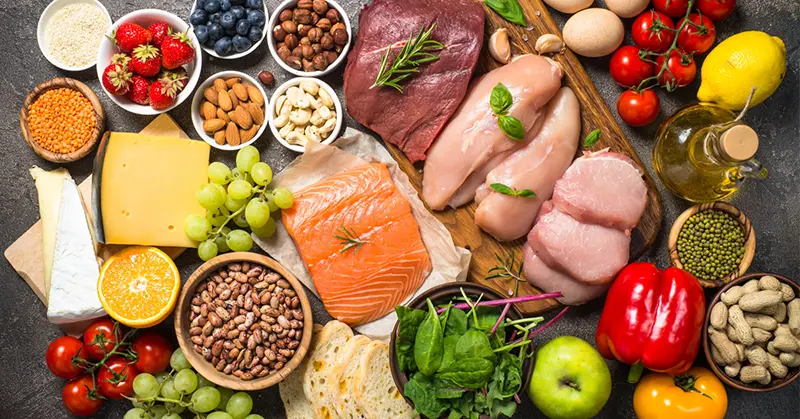
The recommended diet after vascular or endovascular surgery is one of the most important parts of your recovery, alongside medication, follow‑up visits, and lifestyle changes. A healthy diet supports wound healing, protects your heart and blood vessels, and helps prevent future vascular events.
Recovery after a vascular surgery or endovascular procedure largely depends on the way you eat. A balanced diet speeds up healing, reduces the risk of complications, and contributes to long‑term vascular health.
After procedures such as angioplasty, stent placement, or bypass surgery, your body needs specific nutrients to repair tissues and stabilize your circulation. The right food choices help reduce inflammation, support scar formation, keep blood pressure within healthy limits, and prevent new fatty deposits from building up in your arteries.
If you recently had a vascular procedure and are not sure how to adapt your diet, you can book an appointment with our specialists for personalized nutritional advice and follow‑up.
Why diet matters after vascular and endovascular surgery:
After surgery, your body needs more energy and nutrients to repair incisions, restore blood flow, and adapt to medication changes. A heart‑ and vessel‑friendly diet can:
- Improve wound healing and reduce the risk of infection;
- Help control blood pressure, cholesterol, and blood sugar;
- Support healthy blood flow and reduce clotting risk;
- Stabilize weight and improve overall fitness.
Your diet after vascular surgery should be seen as part of your treatment plan, not just a “temporary” recommendation.
Recommended foods after vascular or endovascular surgery:
Fish and Omega‑3 sources:
Omega‑3 fatty acids have anti‑inflammatory effects, support heart health, and may lower triglyceride levels.
Recommended foods in the diet recommended after vascular or endovascular surgery:
- Salmon;
- Mackerel;
- Sardines;
- Trout;
- Herring.
Try to eat fatty fish 2-3 times per week as part of a Mediterranean-style diet.
Leafy greens and high‑fibre vegetables:
Leafy green and colourful vegetables are rich in antioxidants, vitamins, and fibre, which support healthy arteries and veins.
Recommended options:
- Spinach;
- Kale;
- Broccoli;
- Brussels sprouts;
- Rocket (arugula).
These should be eaten daily, steamed, baked, or lightly sautéed, rather than fried.
Antioxidant‑rich fruits:
Antioxidant‑rich fruits help protect your blood vessel walls from oxidative stress and support your immune system:
- Blueberries;
- Raspberries;
- Strawberries;
- Oranges and other citrus fruits;
- Pomegranate.
Eat them fresh, in moderate portions, spread throughout the day.
Nuts, seeds, and legumes:
Nuts, seeds, and legumes provide plant‑based protein, healthy fats, and fibre that help improve your lipid profile and support gut health.
Examples:
- Walnuts, almonds, flaxseeds, chia seeds, pumpkin seeds;
- Lentils, chickpeas, beans, peas.
You can add them to salads, soups, or as snacks, in amounts adjusted to your kidney function and digestive tolerance.
Whole grains:
Whole grains help regulate blood sugar, support a healthy weight, and maintain regular bowel movements.
Good options:
- Oats;
- Quinoa;
- Brown rice;
- Buckwheat;
- Whole‑grain bread.
These should replace white bread, refined pasta, and pastry products whenever possible.
Foods to limit or avoid after vascular interventions:
Processed foods and unhealthy fats:
To protect your arteries and your surgical result, it is advisable to limit or avoid:
- Processed meats (sausages, salami, bacon, canned meats);
- Fatty cuts of red meat;
- Deep‑fried foods and fast‑food meals;
- Products high in trans fats (many packaged snacks, some margarines).
These foods raise “bad” LDL cholesterol, promote inflammation, and can negatively impact your long‑term outcome after vascular or endovascular treatment.
Salt, sugar, and alcohol:
Too much salt promotes water retention and high blood pressure, while added sugars and alcohol contribute to inflammation, weight gain, and blood sugar spikes.
Try to:
- Reduce salty snacks, fast food, and heavily seasoned ready‑made meals;
- Limit sweets, pastries, sugary drinks, and sweetened juices;
- Avoid alcohol in the first weeks after surgery and later only use it in small amounts, if your doctor agrees, especially if you are on blood thinners.
Step‑by‑step eating plan after vascular or endovascular surgery:
Days 1-3 (initial phase):
Right after surgery, your digestive system may be sensitive and your appetite reduced. Focus on light, easy‑to‑digest foods and sufficient fluids:
- Clear soups and broths;
- Plain whole‑grain crackers or toast;
- Ripe bananas;
- Plain rice or mashed potatoes.
Follow your surgeon’s instructions about when to start eating solid food again, which depends on the type of procedure and anaesthesia.
Days 4-14 (transition phase):
During this period, you gradually introduce more protein, vegetables, and fruits:
- Lean meats (skinless chicken or turkey, white fish);
- Steamed or baked vegetables;
- Fresh fruit that you tolerate well.
Aim for 5–6 small meals per day to support recovery without overloading your digestive system.
Weeks 2-6 (recovery phase):
In the recovery phase, you can return to a more varied, but still healthy, diet based on Mediterranean principles:
- Olive oil in moderate amounts;
- Fish 2–3 times per week;
- Plenty of vegetables, salads, and fruit;
- Whole grains and legumes as your main carbohydrate sources.
At the same time, your vascular and endovascular surgery team may adjust your medication and recommend additional lifestyle changes (exercise, smoking cessation, blood pressure control).
Long‑term (maintaining the benefits of your procedure):
On the long run, your diet becomes a key part of your treatment. A vascular‑friendly diet helps maintain the results of your endovascular or open surgery and lowers the risk of restenosis, thrombosis, or new cardiovascular events.
Proper hydration after vascular surgery:
Adequate fluid intake is essential after vascular and endovascular procedures. Water supports kidney function, helps your body eliminate medications and contrast agents, and keeps your blood less viscous.
General tips:
- Aim for about 1.5–2 liters of fluids per day, unless your doctor tells you otherwise;
- Prefer still water at room temperature;
- Limit high‑caffeine drinks and avoid alcohol, especially early after surgery;
- Herbal teas can be helpful, but always ask your doctor first if you are taking blood thinners or other cardiovascular drugs.
Key vitamins and minerals for recovery:
After a vascular surgery, certain micronutrients support wound healing and vascular health:
- Vitamin C: supports collagen production and tissue repair;
Sources: citrus fruits, bell peppers, kiwi, strawberries. - Vitamin K: important for blood clotting, but must be balanced if you are on anticoagulants;
Sources: leafy greens, broccoli (intake should be discussed with your doctor). - Zinc: helps wound healing and immune function;
Sources: lean meat, pumpkin seeds, chickpeas. - Iron: helps prevent post‑operative anaemia;
Sources: lean red meat (in moderation), spinach, lentils, beans.
Any supplement (vitamins, minerals, Omega-3) should be taken only after discussing it with your doctor, to avoid interactions with anticoagulants, antiplatelet drugs, or other medications.
Practical day-to-day tips:
To make the recommended diet after vascular or endovascular surgery easier to follow:
- Cook at home whenever possible, so you can control ingredients and portion sizes;
- Read nutrition labels and avoid products high in trans fats, salt, and added sugars;
- Choose healthy cooking methods: steaming, baking, grilling, light sautéing;
- Eat slowly and chew your food well;
- Avoid very large evening meals;
- Consider a simple food diary to track what you eat and how you feel, especially in the first weeks after surgery.
When to speak to your doctor about diet?
Before making major changes to your diet, especially if you take blood thinners, blood pressure medication, or cholesterol‑lowering drugs, it is important to talk to your medical team. Specialists in vascular and endovascular surgery can offer advice tailored to your procedure, associated conditions, and current treatment.
Contact your doctor urgently if you experience chest pain, shortness of breath, sudden leg swelling, severe limb pain, or major changes in blood pressure.
For questions about a personalized recommended diet after vascular surgery, recovery, and preventing future vascular problems, you can book an appointment at VenArt’s Vascular and Endovascular Surgery Department.
Frequently asked questions about diet after vascular or endovascular surgery:
In the first weeks after surgery, your diet is more restrictive and focused on easy‑to‑digest, low‑fat foods and small, frequent meals. Over time, the goal is to maintain a heart‑healthy, Mediterranean‑style diet to protect your arteries and support your long‑term results.
After angioplasty or stenting, it is recommended to eat plenty of vegetables, fruit, whole grains, legumes, nuts, seeds, and lean protein such as fish or skinless poultry. These foods help keep cholesterol, blood pressure, and weight under control.
You should avoid or significantly limit fatty meats, fried foods, fast food, processed meats, industrial pastries, sugary drinks, and heavily salted snacks. These foods can raise your cardiovascular risk and work against the benefits of your procedure.
In many cases, moderate coffee intake (for example, 1-2 cups a day) is acceptable, as long as it does not worsen your blood pressure, heart rhythm, or sleep. Because this depends on your individual condition and medication, you should always ask your surgeon or cardiologist at follow‑up.
A healthy diet helps control major risk factors such as high cholesterol, high blood pressure, diabetes, and excess weight. Combined with exercise, smoking cessation, and your prescribed treatment, it reduces the risk of restenosis, thrombosis, and new cardiovascular events after vascular or endovascular procedures.
You should ask for professional advice before starting any strict diet, taking supplements on your own, or if you notice weight changes, digestive problems, or difficulty controlling blood pressure or blood sugar. For a complete evaluation and a tailored plan, you can schedule a consultation with VenArt’s Vascular and Endovascular Surgery specialists.