Tumor Resection

Precise surgical procedures for the removal of benign or malignant tumors

Medical Procedures

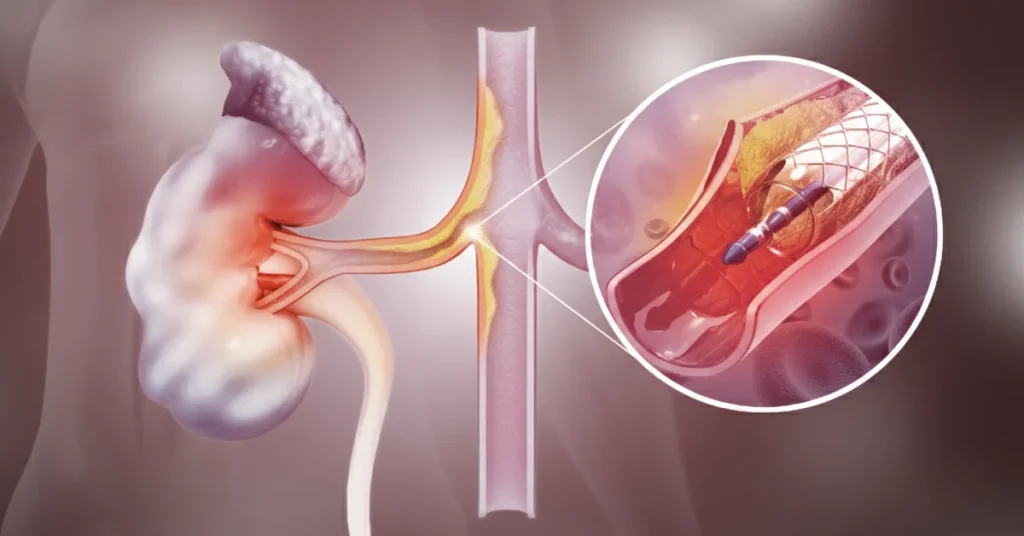
Representative image for the Tumor Resection procedure

Tumor resection is the surgical removal of a lump (benign or malignant) from an organ (liver, lungs, skin, glands).

At VenArt Clinic, procedures are performed using minimally invasive or traditional techniques, depending on the location and complexity of the lesion.

When is tumor resection indicated?

Resection is recommended in the following situations:

  • Solid tumors with a risk of malignancy;
  • Symptomatic lesions (pain, pressure, bleeding);
  • Rapid growth or suspected cancer;
  • Lesions affecting organ function (liver, lungs, etc.).

Stages of the tumor resection procedure

Diagnosis and evaluation

  • Clinical and imaging examination: ultrasound, CT, MRI;
  • Excisional/core biopsy for histological confirmation;
  • Complex blood tests and pre-anesthesia consultation.

Patient preparation

  • Mandatory preoperative investigations;
  • Medication prescribed by the doctor (NSAIDs, antibiotics, etc.);
  • Fasting: 6–8 hours before the procedure;
  • Bowel cleansing treatment, if necessary;
  • Full information and signing of the consent form.

Types of intervention

Laparoscopy / Endoscopy

  • Minimally invasive with 1–4 tiny incisions;
  • Quick recovery, less pain, and scarring.

Classic surgery

  • In extensive cases, deep locations, or complex organs;
  • Resection can be combined with organ reconstruction.

What happens during the operation

  • Access to the tumor via incision or trocar;
  • Identification and isolation of the tumor formation;
  • Resection with healthy safety margins;
  • Rigorous hemostasis and sutures/reconstruction.

Post-surgery recovery

  • Hospitalization: 1–4 days, depending on the procedure;
  • Pain control, vital sign monitoring, and blood loss monitoring;
  • First steps and gradual reintroduction of food;
  • Avoid intense physical activity for 4–6 weeks (as appropriate).

Post-surgery nutrition and care

  • First 48 hours: clear liquids (soups, teas, water);
  • The following days: easily digestible foods (rice, cream soup, chicken);
  • Avoid: fats, fried foods, hard-to-digest foods;
  • Optimal hydration: 1.5–2 liters/day.

Monitoring and preventing recidivism

  • Medical check-up 2–4 weeks after surgery;
  • Tests (e.g., tumor markers), ultrasound, CT or MRI scan;
  • Recommendations for a healthy lifestyle and avoiding risk factors;
  • In case of malignant tumors: oncology/adjuvant therapy (radiation/chemotherapy).

Possible complications

  • Hemorrhages, infections, fistulas (depending on the affected organs);
  • Lesions of neighboring structures (nerves, vessels, digestive tract);
  • Risk of tumor recurrence (closely monitored).

Why choose VenArt Clinic?

Experienced medical team: Specialists with years of practice in general laparoscopic surgery, with proven results and numerous positive testimonials.

Modern technology: We use minimally invasive methods, such as laparoscopic surgery, for quick recovery and reduced discomfort.

Personalized approach: Each patient is unique, and the treatment plan is tailored to their needs for a safe and effective medical experience.

Comprehensive post-operative care: We provide guidance throughout recovery, careful monitoring, and answer any questions to ensure a complication-free healing process.

Schedule a consultation!

With the help of an experienced medical team, you will benefit from a safe procedure and a quick recovery without complications.

Fill out the form below or call us to schedule a personalized consultation.

Our specialists will answer all your questions and provide you with a treatment plan tailored to your needs, ensuring that you receive the best medical care.

Frequently Asked Questions

Does tumor resection put my life at risk?

The procedure involves risks (bleeding, infection), but specialists ensure all safety measures and pre- and post-operative monitoring.

The final diagnosis is established by histopathological examination a few days after the procedure.

The recovery period is usually between 2 and 6 weeks, depending on the type and location of the procedure.

Yes, patients gradually resume their activities, depending on the doctor’s recommendations and postoperative progress.

Regular imaging tests are performed. If there are any suspicions, resection may be extended or oncological treatment may be started.

Medical Articles

Cover image showing specialists performing minimally invasive surgery on an adrenal tumor. Laparoscopic adrenalectomy, also known as suprarenalectomy.

Laparoscopic Adrenalectomy

Featured image showing a close-up of diagnostic laparoscopic medical equipment used during a procedure in the operating room. Details of this advanced technique are highlighted, providing insight into how laparoscopy contributes to the diagnosis of vascular conditions. Learn more in our specialized article.

Diagnostic Laparoscopy: What Is It?

The image provides a detailed view of the laparoscopic hysterectomy procedure, highlighting the medical instruments and surgical techniques used. Learn more about the benefits of this modern technique in our specialized article.

Laparoscopic Hysterectomy

The image provides a detailed close-up of the laparoscopic medical equipment used during surgery. Learn more about the benefits and technologies involved in laparoscopy in our specialized article.

What Is Laparoscopic Surgery And How Is It Performed?

The image shows doctors working together as a team during surgery. Learn more about modern surgical techniques and approaches in our specialized article.

Have You Been Scheduled for Surgery? What You Should Know Before and After

The image depicts a moment when a man is in pain and holding his abdomen, illustrating the symptoms and discomfort associated with hernias. Learn more about the causes, diagnosis, and treatment options in our specialized article.

What are hernias: types, symptoms and treatment methods

The image highlights the location of the gallbladder and illustrates what it looks like. Learn more about gallstones and treatment options in our specialized article.

Gallstones: Symptoms, Causes, Treatment, and Complications

The image captures a moment during a medical evaluation for a hiatal hernia, in which the doctor examines a patient lying on his back. It illustrates the doctor's gentle pressure and the patient's reaction, highlighting the associated signs of pain. Learn more about hiatal hernia treatment in our dedicated article.

Hiatal Hernia – Causes, Diagnosis, Treatment, Complications

Medical Services VenArt Clinic

What Our Patients Say