Arterio-lymphatic (arteries and lymph) disorders: Symptoms, causes, treatment
From pain when walking and cold feet, to mixed arteriovenous lymphatic edema. When is the right time for a complete evaluation of the arteries and lymph?
Contents

Arterio-lymphatic disorders occur when peripheral arterial disease and lymphatic drainage problems combine to lead to mixed arterio-veno-lymphatic edema in the lower extremities.
Specifically, arterio-lymphatic disorders occur when blood flow through the arteries is impaired and lymphatic fluid accumulates in the tissues, leading to swelling in the legs.
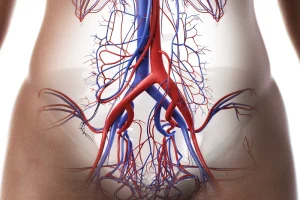
On this page you will find clear explanations about how arteries, veins and lymph are connected in peripheral arterial disease with edema and when it is recommended to request an evaluation at the VenArt Clinic.
For an overview of the role of lymph in arterio-lymphatic disorders, you can consult the page: Lymph and the lymphatic system: what they are and how they work.
Book an Appointment
What are arterio-lymphatic disorders?
Arterio-lymphatic disorders describe situations in which the arteries supplying the lower limbs are narrowed (peripheral arterial disease) and the lymphatic system fails to fully compensate for the fluid imbalance. In these cases, mixed arterio-veno-lymphatic edema may occur, in which ischemia, venous stasis, and poor lymphatic drainage overlap.
Peripheral arterial disease with edema is more common in patients with cardiovascular risk factors (smoking, diabetes, hypertension, dyslipidemia) and can be aggravated by the association with chronic venous disease or obesity. Therefore, arterio-lymphatic disorders require an integrated approach, in which vascular surgery and angiology collaborate to establish the correct order of treatments.
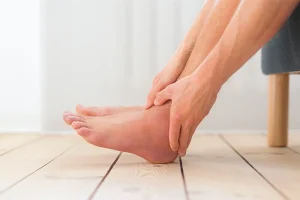
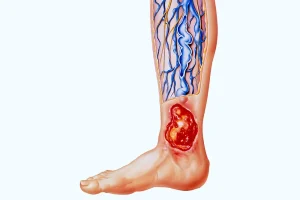
Patients frequently describe cold, painful, and swollen feet, thickened ankles, or slow-healing wounds on the feet.
A consultation with a vascular surgeon can help establish the correct diagnosis and choose the right treatment to protect the lower limbs and circulation.
Symptoms of arterio-lymphatic disorders
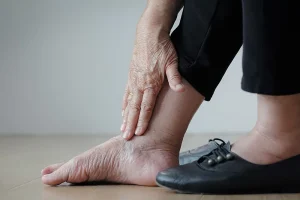
Cold, painful, and swollen feet
In arterio-lymphatic diseases, typical symptoms may include:
- Pain when walking (intermittent claudication), which requires frequent stops after a certain distance;
- Feeling of cold feet, especially in the soles of the feet and toes;
- Skin color changes (pallor, redness, sometimes purplish shades);
- Edema in the ankles and calves, which may suggest mixed arterio-veno-lymphatic edema when venous disease coexists.
Classically, peripheral arterial disease is not a primary cause of edema, but in clinical practice, patients with overlapping arterial, venous, and lymphatic disease are frequently encountered. In these arterio-lymphatic conditions, the clinical picture is more complex and the risk of ulcers and infections is higher.
Warning signs
Seek medical evaluation as soon as possible if you notice:
- Pain when walking that occurs over shorter distances;
- Pain at rest, especially at night, that improves when you lift your leg out of bed;
- Cold, swollen feet that do not completely improve overnight;
- Sores on the feet that heal slowly or not at all.
Causes and risk factors in peripheral arterial disease with edema
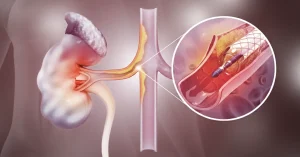
Peripheral arterial disease is usually caused by the deposition of atherosclerotic plaques on the walls of the arteries, which narrows the lumen and reduces blood flow to the tissues. When this problem is associated with chronic venous disease or lymphatic damage, an additional fluid imbalance occurs, which can favor the development of mixed arterio-veno-lymphatic edema.
Risk factors include:
- Smoking;
- Diabetes;
- High blood pressure;
- High cholesterol and dyslipidemia;
- Sedentary lifestyle and obesity.
Diagnosis in arterio-lymphatic diseases
Vascular surgery and angiology consultation
The evaluation of arterio-lymphatic disorders begins with a consultation with a vascular surgeon or angiologist. The doctor discusses the symptoms (pain when walking, feeling cold, edema), analyzes risk factors, and examines the pulse in the arteries of the lower limbs.
The goal is to identify possible peripheral arterial disease, assess the severity of ischemia, and differentiate between venous, lymphatic, or mixed arterio-veno-lymphatic edema.
Useful investigations
In arterio-lymphatic diseases, the following may be recommended:
- Arterial Doppler ultrasound of the lower limbs: to assess blood flow and possible narrowing or blockages of the arteries;
- Ankle-brachial index (ABI): a simple test that compares the pressure at the ankle with that at the arm, useful in detecting peripheral arterial disease;
- Venous Doppler ultrasound and, if necessary, other investigations for the venous component and for edema;
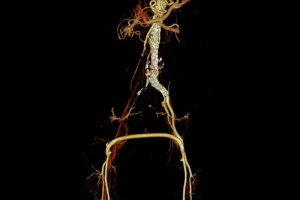
- In selected cases, advanced imaging (CT angiography, MRI) for planning revascularization.
Management of mixed arteriovenous lymphatic edema
After careful assessment of arterial circulation, the doctor may also recommend measures to control edema:
- Compression therapy with adapted intensity (depending on the severity of the arterial disease – sometimes caution is required or strong compression is avoided);
- Supervised walking exercises, which improve both arterial circulation and veno-lymphatic drainage;
- Lymphatic drainage and skin care, to prevent ulcers and infections in areas with edema.
Lifestyle in arterio-lymphatic diseases
In arterio-lymphatic diseases, lifestyle changes are as important as medical procedures:
- Quitting smoking;
- Strict blood sugar control in patients with diabetes;
- Weight loss in overweight patients;
- Regular physical activity, adapted to the doctor’s recommendations (walking program);
- Careful foot care (correct nail trimming, appropriate footwear, protection from trauma).
Book an Appointment
Our medical team
Frequently asked questions about arterio-lymphatic disorders
What are arterio-lymphatic disorders?
Arterio-lymphatic disorders are conditions in which peripheral arterial disease and impaired lymphatic drainage overlap, leading to pain when walking, cold feet, and, in some cases, mixed arterio-veno-lymphatic edema. They require an integrated approach because not just one type of vessel is affected.
Can peripheral arterial disease alone cause leg swelling?
Peripheral arterial disease is primarily a problem of arterial circulation (ischemia) and rarely causes significant edema on its own. However, in many cases of peripheral arterial disease with edema there is also a venous or lymphatic component, leading to mixed arterio-veno-lymphatic edema.
What does mixed arteriovenous lymphatic edema mean?
Mixed arteriovenous-lymphatic edema occurs when the arteries, veins, and lymphatic system are simultaneously affected, and fluid accumulates in the tissues. It is commonly seen in patients with peripheral arterial disease, chronic venous disease, and sometimes obesity or other systemic conditions.
Can I wear compression stockings if I have peripheral arterial disease?
In the presence of significant peripheral arterial disease, high-intensity compression may be contraindicated or should be used with great caution. Therefore, in arterio-lymphatic conditions, it is essential to be evaluated by a vascular surgeon or angiologist, who will decide what type of compression is safe for you.
How are arterio-lymphatic disorders treated?
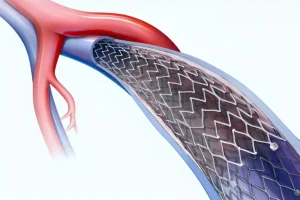
Treatment of arterio-lymphatic disease combines arterial revascularization (where possible) with measures to control mixed arterio-veno-lymphatic edema: tailored compression, walking exercises, skin care, and treatment of associated venous or lymphatic disease. The plan is personalized based on the severity of ischemia and comorbidities.
When should you see a doctor for peripheral arterial disease with edema?
You should seek a consultation if you have pain when walking, cold feet, wounds that do not heal, and in addition you notice swelling in your ankles or calves. At the VenArt Clinic you can schedule a consultation for a complete evaluation of arterio-lymphatic disorders and to determine appropriate treatment.
When to request an evaluation for arterio-lymphatic conditions at the VenArt Clinic?
If you experience pain when walking, cold feet, skin discoloration, and notice that your ankles and calves are also swollen, you may have arterio-lymphatic disorders that require specialist evaluation.
You can request an appointment for a complete evaluation of your arteries, veins, and lymphatic system and to establish a personalized treatment plan.