Veno-lymphatic conditions (veins and lymph): Symptoms, causes, treatment
From varicose veins and heavy legs to persistent veno-lymphatic oedema. When is the right time to treat the veins and the lymphatic system together?
Contents
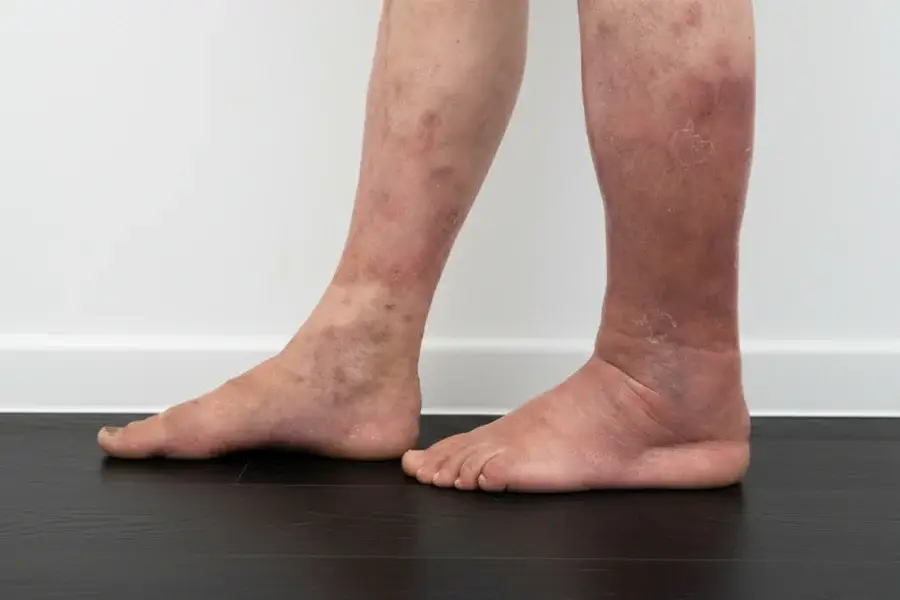
Veno-lymphatic conditions occur when venous problems (varicose veins, chronic venous insufficiency, thrombosis) combine with impaired lymphatic drainage, leading to persistent veno-lymphatic oedema.
On this page you will find clear explanations of what veno-lymphatic insufficiency means, which symptoms should concern you, and when the right time is to seek an evaluation at Clinica VenArt.
To better understand the role of lymph in these veno-lymphatic conditions, you can read the dedicated page: Lymph and the lymphatic system: what they are and how they work.
Book an Appointment
What are veno-lymphatic conditions?
Veno-lymphatic conditions describe situations in which chronic venous disease and lymphoedema overlap, and the lymphatic system can no longer compensate for venous stasis. In practical terms, veno-lymphatic insufficiency means that the veins and the lymphatic system no longer work together effectively to drain fluid from the tissues, so the legs remain swollen even after rest.
Veno-lymphatic oedema is often simply labelled as “swollen legs” or “water retention,” without the underlying cause being investigated. A proper evaluation of these veno-lymphatic conditions helps prevent complications such as ulcers, skin infections and restricted mobility.
Symptoms of veno-lymphatic conditions
Typical signs of veno-lymphatic oedema
Common symptoms of veno-lymphatic conditions include:
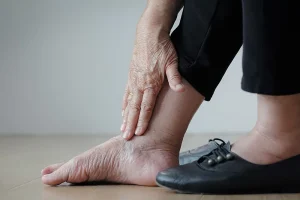
- Persistent swelling of the ankles and lower legs that does not fully resolve overnight;
- A feeling of heaviness, tightness and “full legs” at the end of the day;
- Deep indentations left by socks or tights on the skin;
- Gradual skin thickening and colour changes (brown, reddish-brown) on the lower legs;
- A burning sensation, tingling or discomfort in the swollen areas.
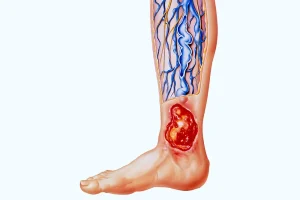
If veno-lymphatic oedema is left untreated, veno-lymphatic insufficiency can worsen and venous ulcers, skin fissures and recurring skin infections may develop.
When should you be concerned?
It is recommended to seek an evaluation for veno-lymphatic conditions when:
- One or both legs have been swollen for several weeks;
- The oedema worsens in warm weather or after prolonged periods of standing or sitting;
- You already have a diagnosis of varicose veins or venous thrombosis and notice that the swelling is not improving;
- Areas of red, painful skin appear, or wounds that heal slowly develop.
Common causes of veno-lymphatic insufficiency
Chronic venous disease and varicose veins
Chronic venous disease and varicose veins lead to blood pooling in the veins of the lower limbs and to increased capillary pressure. Over time, some of this fluid leaks into the tissues, the lymphatic system becomes overloaded, and veno-lymphatic insufficiency may develop, with persistent veno-lymphatic oedema at the level of the ankles and lower legs.
Deep vein thrombosis and post-thrombotic syndrome
Deep vein thrombosis (DVT) can damage the venous valves and deep veins, leading to slowed blood flow and increased pressure in the affected limb. In post-thrombotic syndrome, veno-lymphatic oedema becomes chronic and the skin may thicken and become discoloured, especially if veno-lymphatic insufficiency is not treated appropriately.
Venous compression syndromes
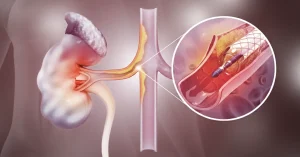
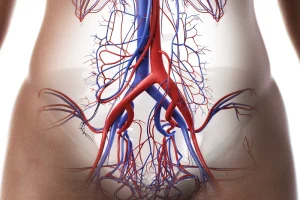
In some cases, an important vein may be compressed by adjacent structures, as occurs in May-Thurner syndrome or Nutcracker syndrome. Compression leads to venous stasis, increased pressure and overloading of the lymphatic system, resulting in veno-lymphatic oedema that is often more pronounced in one lower limb.
Diagnosis of veno-lymphatic conditions
Vascular surgery and angiology consultation
The first step in evaluating possible veno-lymphatic insufficiency is a consultation with a vascular surgery or angiology specialist. During the appointment, the physician reviews the symptoms, the history of varicose veins, thrombosis or previous interventions, and performs a clinical examination of the lower limbs.
The goal is to determine whether the oedema is predominantly venous, lymphatic or mixed, so that the veno-lymphatic condition is correctly classified and treated.
Useful investigations in veno-lymphatic insufficiency
In veno-lymphatic conditions, the essential investigations include:
- Venous Doppler ultrasound of the lower limbs: to assess venous circulation, valves, reflux and possible thrombosis;
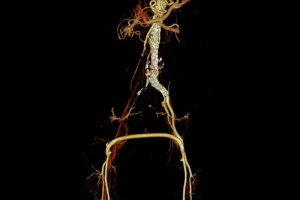
- In selected cases, additional imaging (CT angiography, venous MRI) when a compression syndrome is suspected;
- Blood tests and, where needed, cardiological or nephrological assessments to rule out systemic causes of oedema.
Treatment of veno-lymphatic oedema
Treatment of venous disease
In veno-lymphatic conditions, correcting the venous causes is essential. Depending on the diagnosis, the physician may recommend:
- Modern treatment of varicose veins (laser, radiofrequency, steam, sclerotherapy) to reduce venous stasis;
- Management of post-thrombotic syndrome and deep vein thrombosis, including medication and compression;
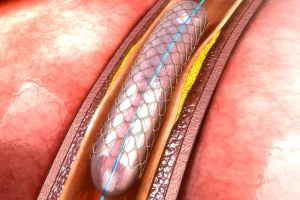
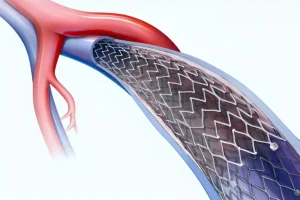
- Endovascular or hybrid procedures for venous compression syndromes, where indicated.
Reducing venous pressure also indirectly supports the lymphatic system, helping to control veno-lymphatic oedema.
Treatment of lymphoedema in veno-lymphatic insufficiency
In addition to the venous approach, treatment of veno-lymphatic oedema incorporates principles similar to those used for lymphoedema:
- Compression therapy (stockings or bandages) adapted to the degree of veno-lymphatic insufficiency;
- Manual or mechanical lymphatic drainage, performed by trained practitioners;
- Exercises that activate the calf muscle pump and support veno-lymphatic drainage;
- Careful skin care to prevent fissures, cellulitis, erysipelas and ulcers.
Many of these recommendations are similar to those described on the page dedicated to lymph and the lymphatic system, but here they are specifically adapted for veno-lymphatic conditions.
Book an Appointment
Lifestyle in veno-lymphatic conditions
Lifestyle measures play an important role in managing veno-lymphatic insufficiency:
- Avoiding prolonged standing or sitting: take regular breaks to move the ankles and calves;
- Elevating the legs above the level of the heart whenever possible;
- Maintaining a body weight as close to normal as possible, to reduce pressure on the veno-lymphatic system;
- Avoiding very tight clothing and footwear, which can impede venous and lymphatic drainage.
Medical Team
Frequently asked questions about veno-lymphatic conditions
What are veno-lymphatic conditions?
Veno-lymphatic conditions encompass situations in which venous disease (varicose veins, chronic venous insufficiency, venous thrombosis) and impaired lymphatic drainage together cause persistent veno-lymphatic oedema. In practical terms, both the veins and the lymphatic system are overwhelmed, and fluid accumulates in the tissues.
What does veno-lymphatic oedema mean?
Veno-lymphatic oedema is swelling of the lower limbs caused by a combination of venous stasis and impaired lymphatic drainage. It typically presents as swollen ankles and lower legs, particularly towards the end of the day, which do not fully return to normal overnight.
What is the difference between chronic venous insufficiency and veno-lymphatic insufficiency?
Chronic venous insufficiency refers to impaired veins and their valves, while veno-lymphatic insufficiency describes a situation in which a lymphatic component is added to the underlying venous disease, resulting in veno-lymphatic oedema that is more persistent and more difficult to control. In practice, many people with advanced varicose veins develop veno-lymphatic insufficiency over time.
Can varicose veins alone cause veno-lymphatic conditions?
Varicose veins and chronic venous disease can overload the lymphatic system and, over time, may lead to the development of veno-lymphatic oedema, particularly at the level of the calves and ankles. Modern treatment of varicose veins can help reduce venous stasis and control veno-lymphatic insufficiency.
How is veno-lymphatic oedema treated?
Treatment of veno-lymphatic oedema combines addressing the venous causes (varicose veins, thrombosis, venous compression) with lymphoedema treatment principles: compression, lymphatic drainage, exercise and skin care. The plan is personalised according to the severity of the veno-lymphatic insufficiency and any associated conditions.
Do veno-lymphatic conditions dissapear with diuretics or ointments alone?
Diuretics and topical ointments may have a limited role and, when used without a medical evaluation, can temporarily mask symptoms without treating the underlying condition. Controlling veno-lymphatic insufficiency and veno-lymphatic oedema requires correcting the venous and lymphatic problems, not simply removing fluid from the body.
When should you come for a consultation for veno-lymphatic conditions?
You should come for a consultation if the oedema has persisted for weeks or months, is worsening, or is accompanied by pain, skin colour changes or a history of varicose veins, venous thrombosis or ulcers. At Clinica VenArt you can book an appointment for a complete evaluation of veno-lymphatic insufficiency and the establishment of an appropriate treatment plan.
When to request an evaluation for veno-lymphatic conditions at Clinica VenArt
If you have had persistently swollen legs for a long time, painful varicose veins, a history of venous thrombosis, or have noticed skin colour changes on the lower legs, it is time to speak with a specialist in veno-lymphatic conditions.
You can request an appointment for a complete evaluation of veno-lymphatic insufficiency and the development of a personalised treatment plan.