
Recommended Diet After Vascular or Endovascular Surgery

The recommended diet after vascular or endovascular surgery is one of the most important parts of recovery, along with treatment, checkups, and lifestyle changes.
Angioplasty and stenting of the renal arteries: Minimally invasive treatment for renal artery stenosis
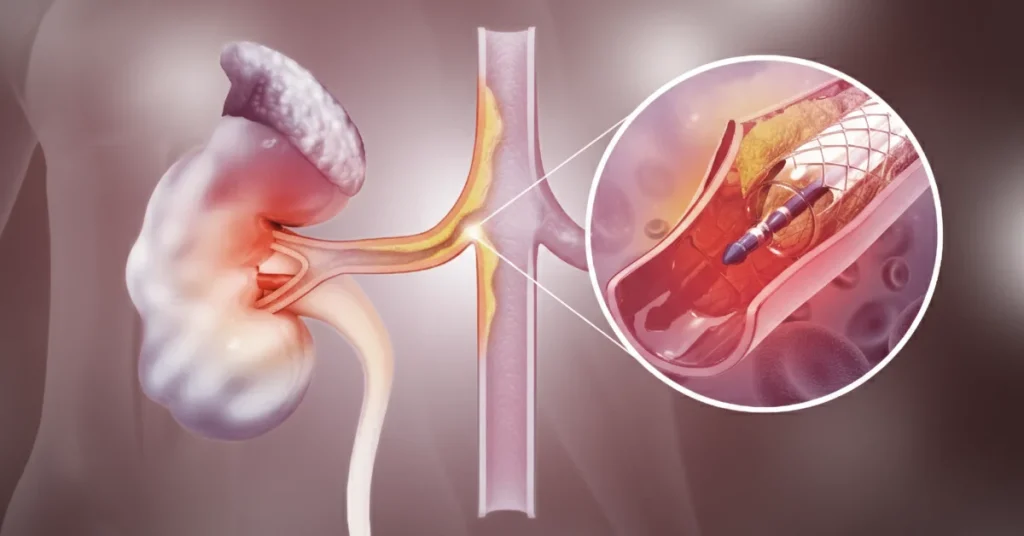
Renal artery angioplasty with stent is a minimally invasive treatment for renal artery stenosis, improving blood pressure control and helping protect long‑term kidney function.
Endovascular treatment (EVAR) for abdominal aortic aneurysm and iliac artery aneurysm

In this case study, we present a patient with an abdominal aortic aneurysm and a large aneurysm of the left iliac artery, treated using the endovascular EVAR procedure
Leriche syndrome: Causes, symptoms, modern treatment options

Leriche syndrome is a severe vascular condition that blocks blood flow in the aorto-iliac area, i.e., in the lower part of the aorta and in the arteries that carry blood to the
Popliteal artery: Complications and modern treatment for popliteal dilations

The popliteal artery is one of the most important blood vessels in the lower limb. It is located behind the knee and provides blood flow to the calf, muscles, joints, and deep tissues
Treatments for Arteriopathy
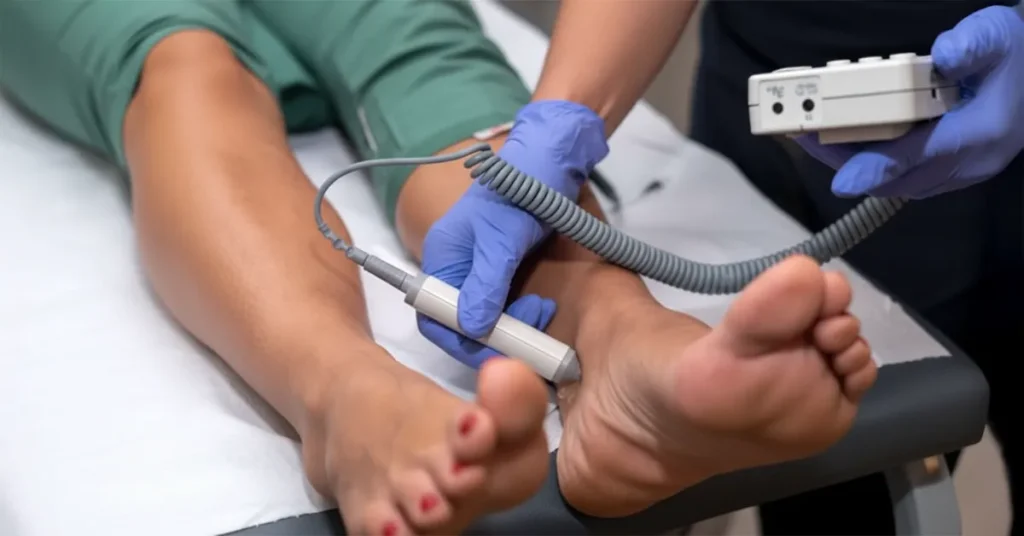
Arteriopathy is a condition characterized by the narrowing or stiffening of the arteries, which leads to reduced blood flow to the limbs and vital organs. It is most often caused by atherosclerosis
Arteriovenous Fistula: A Complete Guide for Patients on Hemodialysis
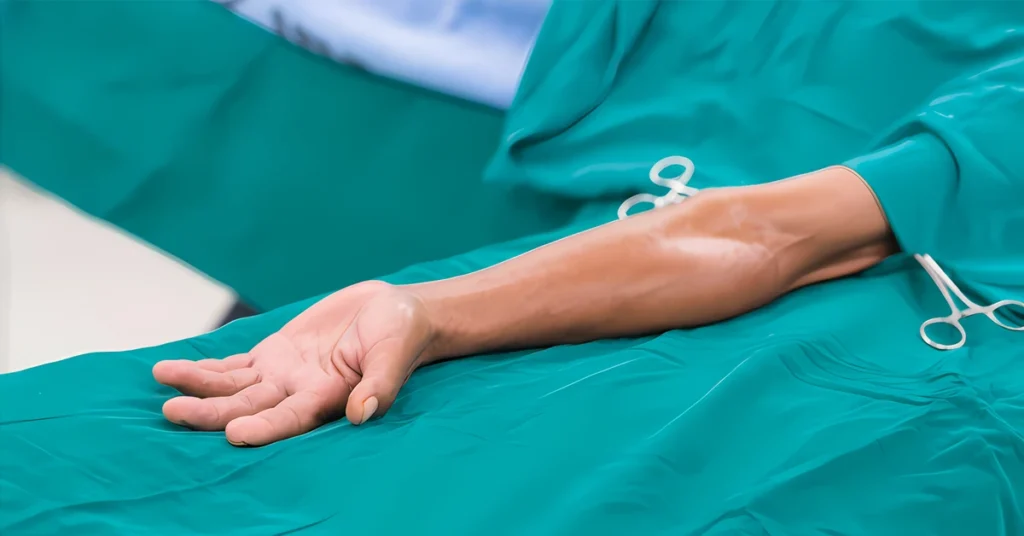
An arteriovenous fistula (AVF) is a surgically created connection between an artery and a vein, usually in the arm.
It is considered the best and most durable vascular access for patients who require hemodialysis
Arteriovenous Malformations (AVM)
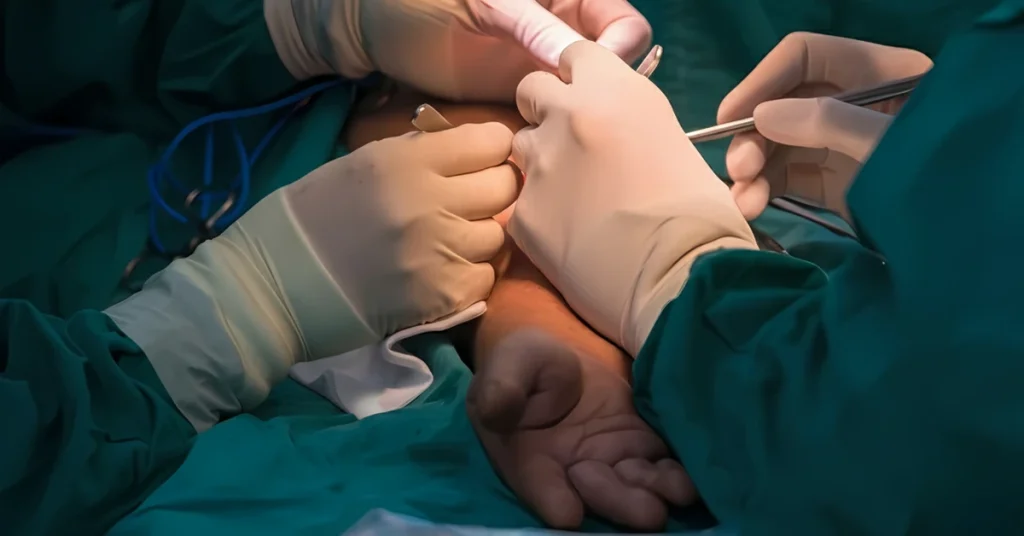
Arteriovenous malformations (AVMs) are abnormal connections between arteries and veins, bypassing the capillaries — the small blood vessels where oxygen exchange normally occurs
Hybrid surgery for complex mixed aortic and common iliac artery pathologies
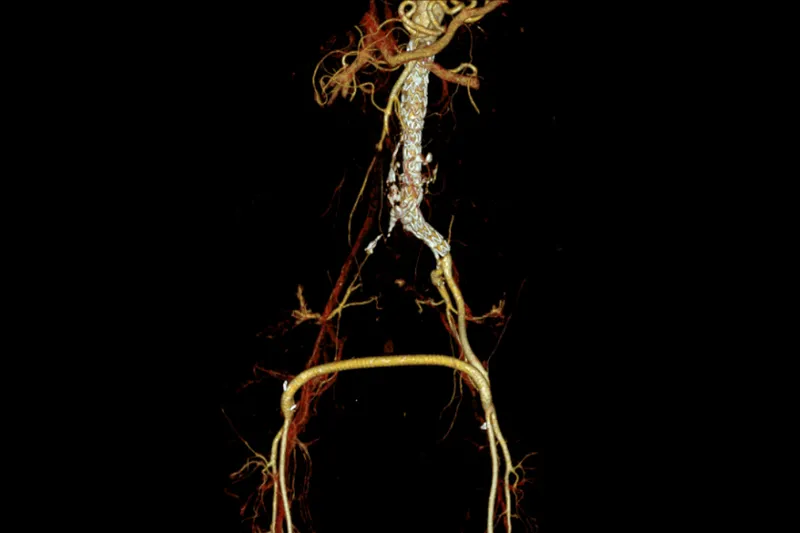
In some complex vascular cases, patients may suffer from extensive arterial disease, such as aneurysms, involving both the aorta and the iliac arteries. In such situations, the primary goal is
May-Thurner Syndrome: Causes, Symptoms, and Treatment

May-Thurner syndrome occurs when the right iliac artery presses on the left common iliac vein, reducing blood flow in this area. This constant pressure can cause damage to the