Lower Limb Revascularization: Modern Treatment for Blocked Leg Arteries
Advanced Treatments for Your Arteries and Veins
Medical Procedures
Vascular Techniques
Endovascular Techniques
Conditions Treated

Lower limb revascularization is a procedure in which a vascular surgeon restores blood flow to the legs when the arteries are narrowed or completely blocked by atherosclerotic plaques. At the VenArt Clinic in Cluj-Napoca, each patient receives a personalized treatment plan, whether minimally invasive, traditional surgical, or a hybrid approach, with the clear goal of saving the limb, relieving pain, and preventing amputation.
Book an Appointment
What is lower limb revascularization?
The arteries that carry blood to the legs can gradually narrow due to cholesterol and calcium deposits on the vessel walls, a process called atherosclerosis. When the narrowing becomes severe, the muscles and tissues of the leg no longer receive enough oxygenated blood. Pain, a cold sensation in the leg, and wounds that do not heal are signs that circulation is seriously impaired.
Revascularization involves reopening or bypassing the blocked section of the artery to restore adequate blood flow. It is not a single procedure, but rather a group of techniques tailored to the severity and location of the condition:
Minimally invasive endovascular techniques:
Open surgery (for extensive or complex injuries):
Hybrid procedures:
When the condition is complex and neither approach is sufficient on its own, VenArt surgeons combine open surgery with angioplasty and stenting in a single procedure to achieve a comprehensive and long-lasting result.
Learn more about hybrid vascular techniques.
Symptoms that should prompt you to see a vascular specialist
Peripheral artery disease progresses slowly and silently at first. Many patients do not seek medical attention until their symptoms become unbearable or a wound fails to heal. Early detection allows for planned intervention, which carries lower risks and yields better outcomes.
Common symptoms:
- Pain or cramps in the calves or thighs while walking, forcing you to stop, which disappear after a few minutes of rest;
- Cold feet or feet that appear pale, purple, or gray;
- Intense pain in the leg while at rest, especially at night, which wakes you from sleep;
- Wounds on the toes or soles that do not heal within a few weeks;
- Hair loss on the legs, brittle nails, thin and shiny skin;
- Numbness or weakness in the leg.
When is revascularization of the lower limbs indicated?
Not every narrowed artery requires immediate intervention. The decision is made on a case-by-case basis, following a comprehensive evaluation of the patient. In general, revascularization is indicated when:
- Intermittent claudication significantly affects quality of life and does not respond to medication or increased walking;
- Persistent rest pain occurs, especially at night;
- Trophic lesions are present: ulcers, areas of necrosis on the toes or foot;
- The diagnosis is critical limb ischemia, combining severe pain, ulcers, or gangrene with a high risk of amputation;
- Medication and lifestyle changes are no longer sufficient.
If you have been diagnosed with Leriche syndrome, read our article on the topic: Leriche Syndrome: Causes, Symptoms, and Modern Treatment Options.
Tests required prior to revascularization
Planning the right revascularization procedure starts with a comprehensive evaluation. At VenArt Clinic, we work with the patient through every necessary step, without overlooking any details.
What tests are performed:
- Vascular surgery consultation with a comprehensive clinical examination: palpation of the pulse, assessment of limb color and temperature, evaluation of the degree of ischemia;
- Doppler ultrasound of the lower limbs to identify the location and severity of stenoses or occlusions;
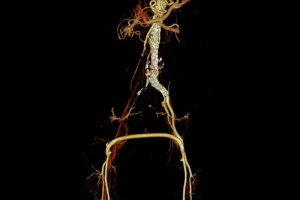
- CT angiography or MRI angiography, for detailed mapping of the arterial network and precise planning of the procedure. Available through angiology services;
- Blood tests, cardiological evaluation, and consultation with an anesthesiologist, especially for patients with diabetes, hypertension, or associated coronary artery disease.
Based on these tests, the vascular surgeon determines the best course of treatment for each patient.
Book an Appointment
Types of revascularization procedures available at the VenArt Clinic
1. Minimally invasive endovascular techniques
Endovascular techniques involve puncturing a peripheral artery, usually in the groin, and advancing thin catheters to the blocked area. No major incision, no general anesthesia required, and a short hospital stay. Available procedures:
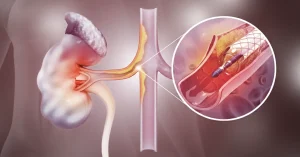
- Balloon angioplasty: a balloon attached to a catheter is inflated in a controlled manner at the site of the stenosis, widening the artery and pushing the atherosclerotic plaque toward the wall;
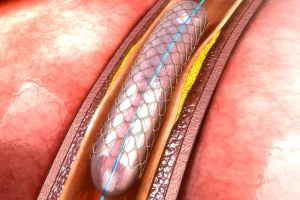
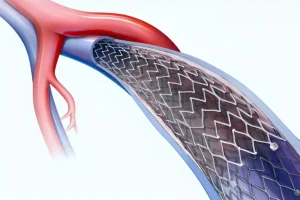
- Arterial stenting: a small metal tube (stent) is placed in the artery, keeping it permanently open;
- Endovascular stent graft: for complex lesions or those associated with aneurysms, special covered devices are used.
2. Open-heart revascularization surgery
Open surgery is the appropriate choice when lesions are too extensive or too complex for an exclusively endovascular approach. It requires spinal or general anesthesia and a longer hospital stay, but offers lasting results in appropriately indicated cases. Types of procedures:
- Femoro-popliteal or axillo-bifemoral arterial bypass: the surgeon creates an alternative route for blood flow, bypassing the blocked segment, using a patient’s own vein or a synthetic graft;
- Femoral endarterectomy: surgical opening of the artery and direct removal of atherosclerotic plaques from the interior.
3. Hybrid procedures
Sometimes, a single type of procedure is not enough to fully resolve a complex vascular condition. Hybrid vascular techniques combine open surgery with angioplasty and stenting in a single surgical session, providing a comprehensive solution for multiple affected arterial segments. The result: optimal blood flow restored throughout the entire lower limb, with a single anesthesia session and a single recovery period.
At VenArt Clinic, the team of vascular surgeons with international experience is equally proficient in both classic surgical techniques and modern endovascular techniques, which allows for the performance of complex hybrid procedures in a single center, without the need to consult multiple specialists at different locations.
How the revascularization procedure works: the patient’s journey at the VenArt Clinic
Step 1: Admission and final preoperative evaluation
Comprehensive tests, an anesthesiology consultation, and a cardiology evaluation if necessary. The doctor confirms the treatment plan established during the consultation.
Step 2: Choosing the type of anesthesia
The type of anesthesia is determined by the anesthesiologist in consultation with the medical team, based on each patient’s medical condition and the type of procedure. In general, endovascular procedures are performed under local anesthesia with light sedation, while open surgery and complex hybrid procedures require spinal anesthesia or general anesthesia.
Step 3: Performing the procedure
- For angioplasty and stenting: puncture of the femoral artery, advancement of catheters under fluoroscopic guidance, balloon dilation, and stent placement if necessary;
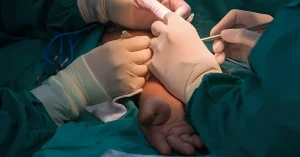
- For bypass surgery or endarterectomy: incisions in the limb, exposure of the arteries, removal of plaque, or creation of a bypass using a vascular graft.
The procedure can take anywhere from 30 to 60 minutes for a simple angioplasty to several hours for a complex bypass.
Step 4: Postoperative Monitoring
Checking the pulse, temperature, and color of the limb during the first few hours. The medical team monitors for signs of restored circulation and promptly identifies any complications.
Step 5: Early mobilization and discharge
Patients are encouraged to resume walking as soon as possible after the procedure, even on the first day following endovascular procedures. Early mobilization stimulates circulation and accelerates healing. Discharge occurs once the patient has fully stabilized, with a clear plan for treatment, wound care, and follow-up appointments.
Why choose VenArt Clinic for lower limb revascularization?
Vascular surgeons with international experience. Consultations, diagnostic tests, and minimally invasive procedures in Cluj-Napoca. At VenArt Clinic, you benefit from:
- A comprehensive evaluation in a single facility: vascular consultation, Doppler ultrasound, advanced imaging, and treatment, without being sent from one place to another;
- A multidisciplinary team with international experience;
- A minimally invasive approach whenever possible: endovascular and hybrid techniques are the first choice; open surgery is performed only when the case requires it. Full details on the vascular and endovascular surgery page;
- Protocols updated in accordance with European guidelines for the treatment of peripheral arterial disease;
- Fast and easy appointments for patients with critical ischemia or limb-threatening lesions;
- Accessible location: Cluj-Napoca, 27 René Descartes Street.
Prices starting at
-
Vascular surgery consultation (includes Doppler ultrasound of the lower extremities) 500 Ron
-
Microsclerotherapy / session 600 Ron
-
Ultrasound-guided sclerotherapy (UGS) / session 1000 Ron
-
Varicose ulcer (wound cleansing and dressing) 200 Ron
Frequently Asked Questions About Lower Limb Revascularization
What happens if I don't treat a blocked artery in my leg?
If left untreated, a blocked artery can lead to critical limb ischemia. This means constant pain, wounds that won’t heal, and, in severe cases, gangrene with the risk of amputation. An accurate diagnosis and timely intervention can prevent these complications.
How do I know if I need angioplasty or a bypass?
The decision is made on a case-by-case basis, following Doppler ultrasound and vascular imaging. Angioplasty is the preferred treatment for short, localized stenoses. Bypass surgery is the solution for long occlusions or lesions extending across multiple arterial segments. Sometimes, a hybrid approach yields the best results.
How long does the effect of revascularization last?
The results are long-lasting if the patient adheres to the medication regimen, quits smoking, and manages risk factors such as diabetes, high blood pressure, and high cholesterol. Regular follow-up Doppler ultrasound exams are essential for the early detection of any restenosis.
Can I undergo revascularization if I also have diabetes or heart disease?
Yes, in most cases. The preoperative evaluation includes a cardiology consultation and adjustments to treatment, precisely to reduce risks. Diabetes and cardiovascular disease are not absolute contraindications, but rather factors that require more careful preparation.
How much does a consultation for peripheral artery disease cost at the VenArt Clinic?
The cost of a vascular surgery consultation at the VenArt Clinic in Cluj-Napoca is 500 lei and includes a Doppler ultrasound of the lower limbs. The cost of revascularization procedures depends on the complexity of the case and the materials used, and will be provided after a complete evaluation. Give us a call so we can help you with all the steps.
How long will I be hospitalized after a leg angioplasty?
For a simple angioplasty, the hospital stay is 1–2 days. You can walk the same day or the day after the procedure, and you can resume light activities after a few days.